January 8, 2026
Discovering Albania: Europe's Best-Kept Secret
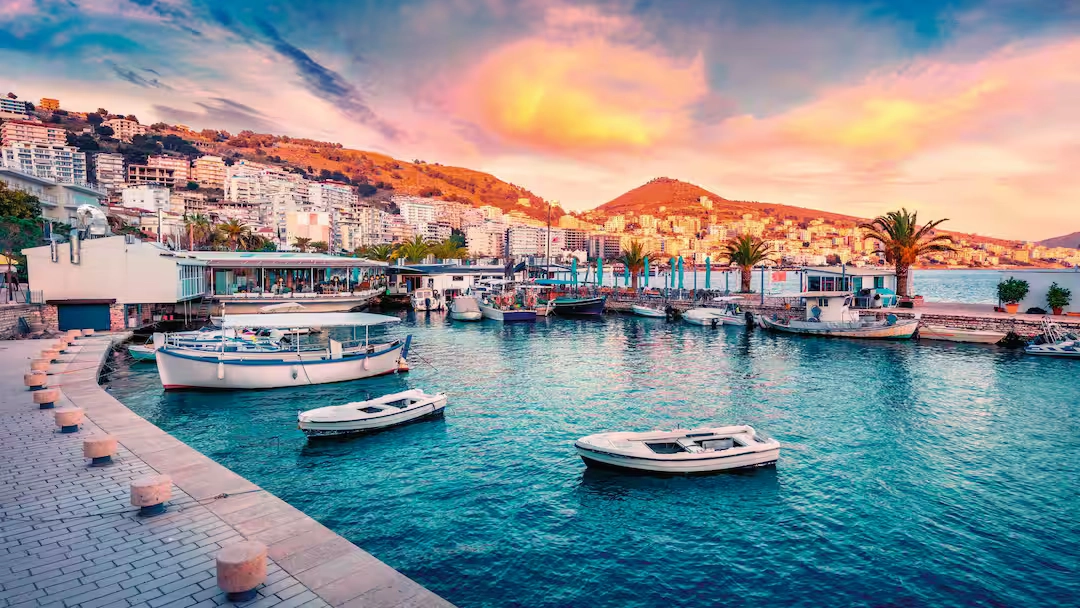
For decades, Albania was a mystery to the rest of the world, hidden away on the Balkan Peninsula. Today, the secret is officially out. With its breathtaking coastlines, rugged mountain peaks, ancient cities, and some of the most welcoming people in Europe, Albania is quickly becoming the ultimate destination for travelers seeking authenticity, adventure, and unparalleled beauty.
Whether you are a history buff, a nature lover, or a beach bum, here is why Albania deserves the top spot on your travel bucket list.
Tirana: The Vibrant Capital
Your journey will likely start in Tirana, a city that perfectly encapsulates Albania's transformation. Once defined by gray communist-era buildings, Tirana is now a vibrant mosaic of bright colors, bustling cafes, and lively streets.
Skanderbeg Square: The heart of the city, surrounded by historical monuments, the Et'hem Bey Mosque, and the National History Museum.
Bunk'Art 1 & 2: You cannot visit Tirana without exploring its complex past. These massive, cold-war era nuclear bunkers have been converted into fascinating, immersive history and art museums.
Blloku District: Once restricted to high-ranking communist officials, this is now the trendiest neighborhood in the city, packed with amazing restaurants, boutique shops, and a buzzing nightlife.
The Albanian Riviera: Sun, Sand, and Sea
If you are looking for Mediterranean charm without the crushing crowds of neighboring countries, the Albanian Riviera is your paradise. The Ionian coastline stretches from Vlora down to the Greek border, offering crystal-clear turquoise waters and dramatic coastal roads.
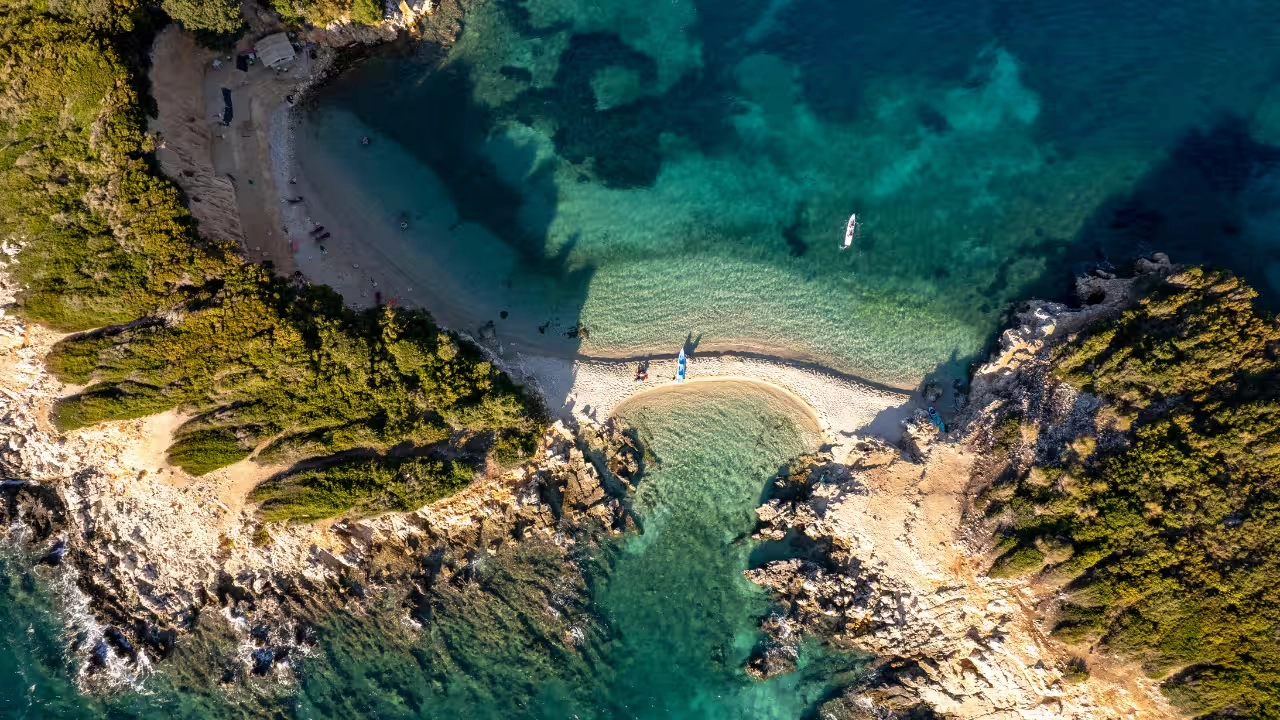
Ksamil: Often referred to as the "Maldives of Europe," Ksamil boasts white sandy beaches and three idyllic islands you can swim or paddleboard out to.
Dhërmi & Himara: These coastal villages offer a perfect blend of lively beach bars, hidden coves, and spectacular sunsets.
Llogara Pass: The drive down to the Riviera takes you through this majestic mountain pass, offering jaw-dropping panoramic views where the mountains literally meet the sea.
The Albanian Alps: For the Adventurous Soul
In the north of Albania lie the Accursed Mountains (Albanian Alps). Don't let the intimidating name fool you; this region offers some of the most stunning and untouched alpine landscapes in all of Europe.
Theth & Valbona: These two remote mountain villages are the base camps for hikers. They look like they were plucked straight out of a fairy tale, complete with traditional stone guesthouses and roaming livestock.
The Valbona to Theth Hike: This iconic day hike takes you across the mountain pass connecting the two valleys. It is a challenging but rewarding trek, offering sweeping views of jagged peaks and deep, green valleys.
Stepping Back in Time: UNESCO Heritage Sites
Albania is a crossroads of civilizations, shaped by Illyrians, Romans, Byzantines, and Ottomans. This rich history is beautifully preserved in its stone cities and ancient ruins.
Berat: Known as the "City of a Thousand Windows" due to its distinct, white Ottoman houses stacked up the hillside. The still-inhabited Kala (castle) at the top offers amazing views of the Osum River.
Gjirokastra: The "City of Stone" features a massive fortress, incredibly preserved slate-roofed houses, and a charming old bazaar perfect for picking up local crafts.
Butrint: Located near Ksamil, this incredible archaeological park is a microcosm of Mediterranean history, featuring Greek amphitheaters, Roman baths, and Venetian towers.
A Taste of Albania: Culinary Delights
Albanian food is a delicious fusion of Mediterranean, Balkan, and Italian influences. The ingredients are incredibly fresh, mostly locally sourced, and surprisingly affordable.
Byrek: A savory, flaky pastry filled with spinach, cheese, or meat. It is the ultimate Albanian street food.
Tavë Kosi: The unofficial national dish. It's a comforting, baked casserole made with lamb, rice, and a tangy yogurt-egg mixture.
Seafood: Along the coast, you will find incredibly fresh grilled fish, octopus, and mussels (especially from the Butrint lagoon) at a fraction of the price you would pay elsewhere in Europe.
Raki: No Albanian meal is complete without a shot of Raki, the local fruit brandy. It is a symbol of hospitality, but be warned---it packs a punch!
Practical Tips for Travelers
Currency: The official currency is the Albanian Lek (ALL). While cards are becoming more widely accepted in cities and hotels, cash is still king, especially in rural areas.
Getting Around: Renting a car is the best way to see the country at your own pace. For public transport, "furgons" (minibuses) are the most common way locals travel between cities.
Safety: Albania is incredibly safe for tourists. The locals adhere to an ancient code called Besa, which places a high value on hospitality and protecting guests.
Final Thoughts
Albania is a country of contrasts---where ancient castles overlook modern beach clubs, and rugged mountains give way to serene coastlines. It is a place that still feels raw, authentic, and genuinely excited to welcome visitors. Don't wait too long to visit; Europe's best-kept secret won't stay a secret forever.
Frequently Asked Questions
Question: What are the must-see highlights in Tirana?
Short answer: Start at Skanderbeg Square, the city's historic heart, flanked by the Et'hem Bey Mosque and the National History Museum. Dive into Albania's recent past at Bunk'Art 1 & 2---Cold War bunkers turned immersive museums. Then head to the Blloku district, once reserved for communist elites and now the city's trendiest area for cafes, restaurants, boutiques, and nightlife. Together, these spots showcase Tirana's transformation from gray to vibrant.
Question: Why choose the Albanian Riviera over other Mediterranean destinations?
Short answer: It delivers turquoise Ionian waters and Mediterranean charm without the heavy crowds. The coast runs from Vlora to the Greek border, featuring Ksamil's white-sand beaches and swimmable islets, the lively-yet-laid-back villages of Dhërmi and Himara, and the dramatic Llogara Pass---where mountain panoramas plunge into the sea.
Question: Which UNESCO sites in Albania shouldn't I miss, and what makes them special?
Short answer: Berat, the "City of a Thousand Windows," is famed for stacked white Ottoman houses and views from its still-inhabited hilltop castle (Kala). Gjirokastra, the "City of Stone," showcases a massive fortress, slate-roofed homes, and a charming old bazaar. Near Ksamil, Butrint is a sweeping archaeological park that condenses Mediterranean history, with Greek amphitheaters, Roman baths, and Venetian towers.
Question: What foods and drinks should I try in Albania?
Short answer: Don't miss byrek (flaky pastries stuffed with spinach, cheese, or meat) and tavë kosi (a beloved lamb, rice, and yogurt-egg bake). Along the coast, expect excellent, affordable seafood---think grilled fish, octopus, and mussels from the Butrint lagoon. Cap meals with raki, the local fruit brandy and a symbol of hospitality---potent but quintessential.
Question: Any practical tips on money, transport, and safety?
Short answer: The currency is the Albanian Lek (ALL); while cards are increasingly accepted in cities and hotels, cash remains essential---especially in rural areas. Renting a car offers the most flexibility, but "furgons" (minibuses) are the standard public transport between cities. Albania is noted as very safe for visitors, with a strong cultural code of hospitality known as Besa.
Q&A
Question: Who is Albania perfect for, and what can each type of traveler expect? Short answer: Albania shines for history buffs, nature lovers, and beachgoers alike. History fans can wander UNESCO gems like Berat (“City of a Thousand Windows”), Gjirokastra (“City of Stone”), and the ancient ruins of Butrint. Nature seekers find rugged serenity in the Albanian Alps, with fairy-tale villages like Theth and Valbona and a challenging-but-rewarding day hike between them. Beach enthusiasts can savor the Albanian Riviera’s turquoise waters, white-sand coves, and laid-back coastal villages like Ksamil, Dhërmi, and Himara—often without the heavy crowds found elsewhere in the Mediterranean.
Question: How does Tirana reflect Albania’s transformation? Short answer: Tirana has pivoted from gray, communist-era austerity to a lively, colorful capital. Skanderbeg Square anchors the city’s historic core, while Bunk’Art 1 & 2—Cold War bunkers turned immersive museums—confront the recent past head-on. The once-restricted Blloku district now buzzes with cafes, boutiques, restaurants, and nightlife, capturing the city’s shift from closed-off to creative and vibrant.
Question: What is the Valbona-to-Theth hike like, and what makes the Albanian Alps special? Short answer: The Albanian Alps offer some of Europe’s most untouched mountain scenery. The iconic Valbona-to-Theth day hike crosses a high pass between two remote valleys, delivering sweeping views of jagged peaks and deep green slopes. In Theth and Valbona, expect traditional stone guesthouses, roaming livestock, and a storybook setting that feels as authentic as it is scenic—challenging terrain with big rewards.
Question: What defines the Albanian Riviera road-trip experience? Short answer: The Riviera is all about dramatic drives and crystal-clear Ionian waters. The Llogara Pass delivers jaw-dropping panoramas where mountains meet the sea, leading to coastal gems from Vlora down to the Greek border. Stop for Ksamil’s white-sand beaches and swimmable islets, then linger in Dhërmi and Himara for hidden coves, lively beach bars, and unforgettable sunsets—plus fewer crowds than many neighboring Mediterranean hotspots.
Question: What does Albanian hospitality look like in practice? Short answer: Albania is noted as very safe and exceptionally welcoming, guided by the cultural code of Besa—placing high value on protecting and hosting guests. Expect genuine warmth, with raki (local fruit brandy) often offered as a gesture of hospitality—potent, but quintessential. This spirit of openness pairs with the country’s “raw and authentic” feel, making visitors feel both embraced and at ease.